
Something interesting has shifted in how people think about their rooftops. A few years ago, most clients came to us wanting "a deck." Now they're thinking bigger. They want a dining area and a lounge space. A cooking station and a fire pit. A place to entertain and a quiet corner to read.
They want their rooftop to function like multiple rooms—because that's how they want to use it.
The Multi-Zone Concept
Indoor homes have rooms for different activities. Kitchens for cooking. Living rooms for relaxing. Dining rooms for gathering around a table. We take this separation for granted inside, but somehow expect outdoor spaces to be one undifferentiated area.
Multi-zone design applies interior thinking to exterior spaces. Instead of one open deck, you create distinct areas for different activities. Each zone has its own character, its own purpose, its own feeling—while still connecting as part of a cohesive whole.
Done well, it makes a rooftop feel larger and more functional than its square footage would suggest.
Common Zones We Design
The Cooking Zone
Outdoor kitchens have evolved far beyond a standalone grill. Today's cooking zones might include:
- Built-in grills with multiple burners
- Side burners for sauces and sides
- Refrigeration and ice makers
- Prep space and storage
- Bar seating for guests to gather while you cook
The key is designing the cooking zone so the chef stays connected to guests rather than isolated in a corner. Nobody wants to miss the conversation while manning the grill.
The Dining Zone
A dedicated dining area means real meals outside—not just balancing plates on your lap. This zone needs:
- A table sized for how you actually entertain (that means counting your usual guest list, not buying the smallest option)
- Comfortable seating that works for extended meals
- Shade or shelter options for daytime use
- Lighting for evening dinners
Proximity to the cooking zone matters. Carrying food across the entire deck every time gets old fast.
The Lounge Zone
This is where the skyline views happen. Deep seating, soft cushions, the spot where you settle in with a drink and watch the city light up. Elements might include:
- Sectional or modular seating that accommodates groups
- Coffee tables within easy reach
- Fire features for ambiance and warmth
- Protected from prevailing winds if possible
The lounge zone often becomes the heart of the rooftop—the place people gravitate to and don't want to leave.
The Fire Zone
Fire draws people together. Whether it's a fire pit, a fireplace, or a fire table, this zone creates a natural gathering point. Consider:
- Seating arranged to face the fire
- Distance from combustible materials and overhead structures
- Wind patterns (smoke direction matters)
- Gas vs. wood burning based on your preferences and building requirements
Fire zones extend the season. When temperatures drop, this becomes the place to be.
The Garden Zone
Greenery transforms a rooftop from outdoor floor to outdoor living room. Planting zones can serve multiple purposes:
- Privacy screening from neighboring buildings
- Visual softening of hard architectural edges
- Wind buffering
- Creating "walls" that define other zones
- Growing herbs or vegetables for the cooking zone
Plants also bring seasonal change to a rooftop—the space evolves through the year rather than looking exactly the same in March and August.
Creating Flow Between Zones
Zones shouldn't feel like separate islands. The magic is in the transitions—how one area leads to another, how sightlines connect spaces, how the whole composition works together.
We think about:
- Traffic patterns: Where do people naturally walk? Keep pathways clear
- Sightlines: Can you see the fire from the dining table? Can the cook see guests arriving?
- Material continuity: Consistent flooring and complementary materials tie zones together
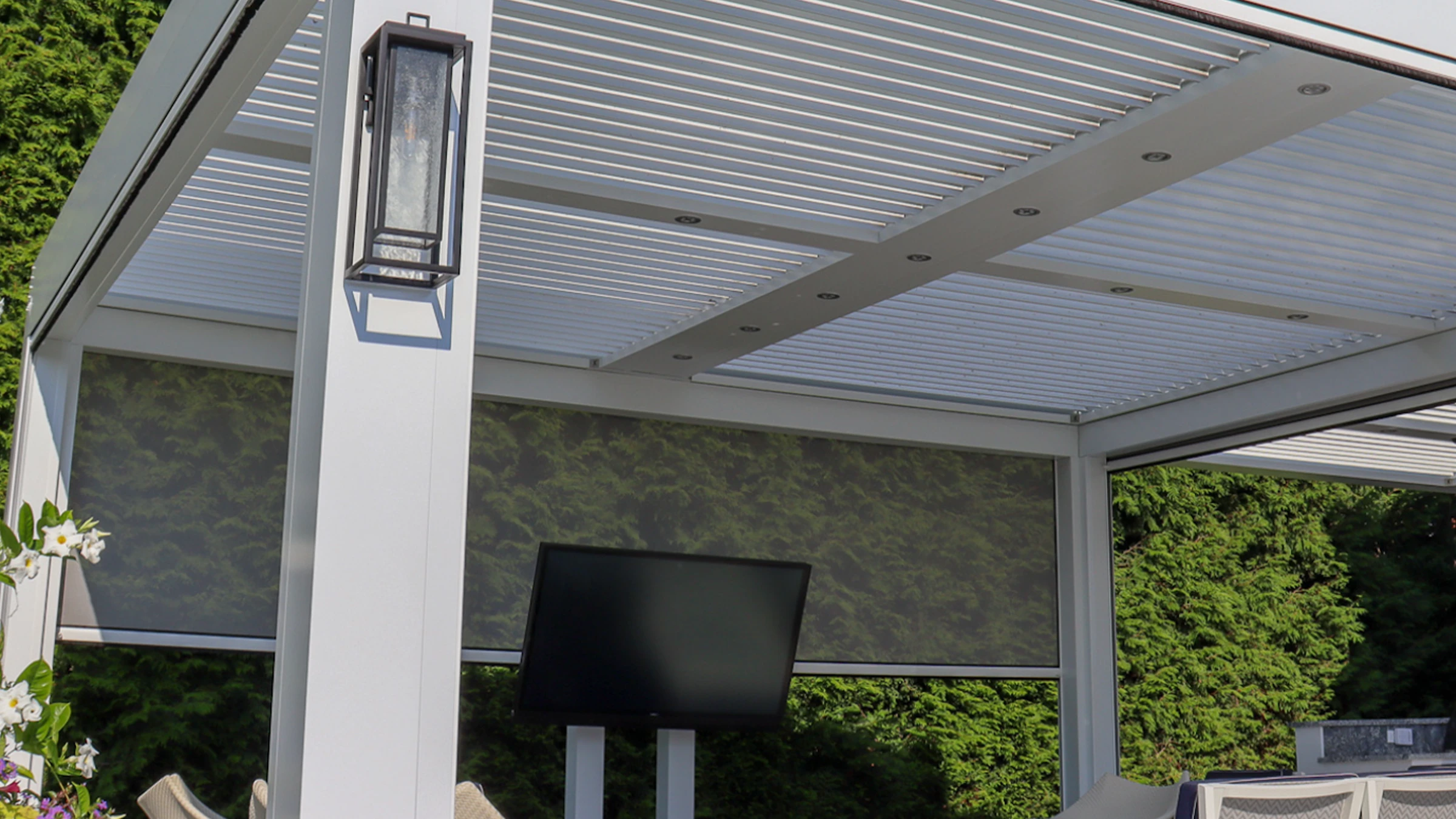
- Vertical elements: Pergolas, screens, and level changes suggest zone boundaries without hard walls
The best multi-zone designs feel inevitable. You don't notice the planning; you just notice that everything works.
Scale Considerations
Multi-zone design doesn't require massive square footage. We've created three distinct zones in 400 square feet and five zones in 2,000 square feet. The principles apply at any scale:
- Choose zones that match your priorities (not every rooftop needs every zone)
- Right-size each area for its purpose
- Use vertical elements to suggest separation without consuming floor space
- Let some zones overlap (dining that converts to lounging, for example)
Your space should reflect how you actually live. If you never cook outside, skip the outdoor kitchen and expand the lounge. If you host weekly dinners, prioritize dining capacity over everything else.
The Design Process
Creating a multi-zone layout starts with questions about how you want to use the space:
- How do you typically entertain? Big parties or small gatherings?
- Do you eat outside often? Quick breakfasts or full dinner parties?
- What's your relationship with plants and gardening?
- How do you relax? Active socializing or quiet unwinding?
- What seasons do you want to use the space?
The answers shape everything. Two rooftops of identical size might have completely different zone layouts based on how their owners actually live.
We use 3D visualization to test zone arrangements before construction begins. It's much easier to move a virtual fire pit than a real one. Seeing the design in context—with your building, your views, your proportions—helps confirm that the zones work together.
Making It Yours
The best designs feel like they couldn't belong to anyone else. That comes from starting with your life, not with trends. Trends provide inspiration and ideas; your daily reality determines what actually gets built.
What if we tried something unexpected with your space? Let's explore some options before we commit. The possibilities are worth discovering.